
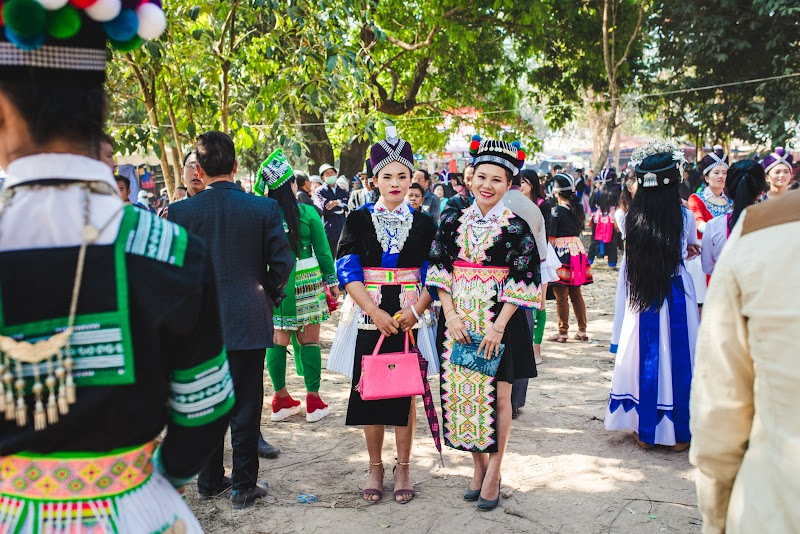
Laos is a country at the crossroads of Indian, Khmer and Chinese influences, shaped by centuries of Theravada Buddhism and animist traditions. Understanding a few aspects of Lao culture greatly enriches the travel experience and helps you build genuine relationships with local people.
Buddhism: the common thread of Lao life
Theravada Buddhism permeates every aspect of daily life in Laos. Monks in saffron robes, morning and evening offerings, temples in every village, ceremonies marking life’s milestones—everything is part of everyday Lao life. Buddhism in Laos is not a show for tourists: it is a living, profound practice. As a visitor, respect comes naturally.
A particularly striking tradition: young Lao men generally spend a period of their lives as a novice or monk—often from a few months to a few years. It is both a religious duty and a way to honour their parents.
Baci: the cotton-string ceremony
The baci (or baisee) is one of the most important ceremonies in Lao culture. It takes place on important occasions in life: birth, marriage, departure on a journey, recovery from illness. A monk or elder ties white cotton strings around participants’ wrists while reciting prayers to bring them happiness and protection. If you are invited to a baci, it is an honour—accept with gratitude and keep the strings on for at least 3 days before removing them.
Lao New Year (Pi Mai): the water festival
Pi Mai Lao (Lao New Year) is celebrated in April, generally around April 14–16. It is the country’s most important national festival, celebrated with festivities lasting 3 days: Buddha processions, water games (people happily soak each other in the streets), traditional dances and ceremonies in temples. Visiting Laos during Pi Mai is an extraordinary experience—but book your accommodation well in advance.
The concept of “sabai dee”: the Lao art of living
In Lao, sabai dee literally means “good” or “at ease”. It is the Lao philosophy of life: favour serenity, avoid conflict, never lose face or cause others to lose face. Raising your voice, showing impatience or irritation is very poorly perceived in Laos—including from you, as a visitor. Gentleness and a smile open every door.
Etiquette rules to know
- Shoes: take off your shoes before entering a temple and most homes
- Head and feet: the head is sacred (never touch someone’s head); feet are impure (never point your feet at a person or a Buddha statue)
- Women and monks: women must not touch monks or hand them something directly
- Dress code: cover your shoulders and knees in temples and rural villages
- Right hand: use your right hand to give and receive objects—the left hand is considered impure
- Public displays of affection: couples should avoid overly demonstrative displays of affection in public spaces
Laos’ ethnic minorities
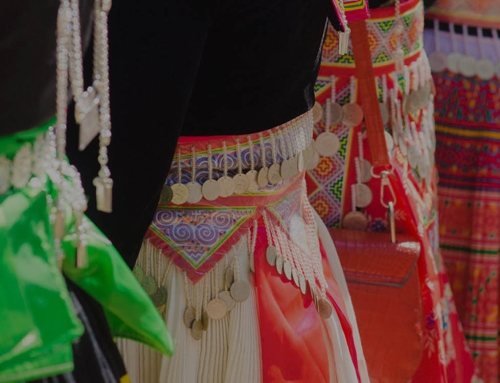
Laos has more than 49 officially recognised ethnic groups, grouped into major language families: Lao-Tai (the majority, in the plains), Mon-Khmer (in the central and southern mountains), Tibeto-Burmans (northern Laos), and Hmong-Mien (high altitudes in the north). Each group has its own costumes, languages, rituals and traditions. Visiting ethnic villages in northern Laos is one of the country’s most enriching experiences.
Cultural travel in Laos with Asia Safari
Since 2002, Asia Safari has been organising trips that go beyond tourist sites to immerse our travellers in real Lao life: a baci ceremony in a village, a meal with a local family, taking part in a mountain market with minority communities. Build your cultural trip to Laos with our local team in Vientiane.