
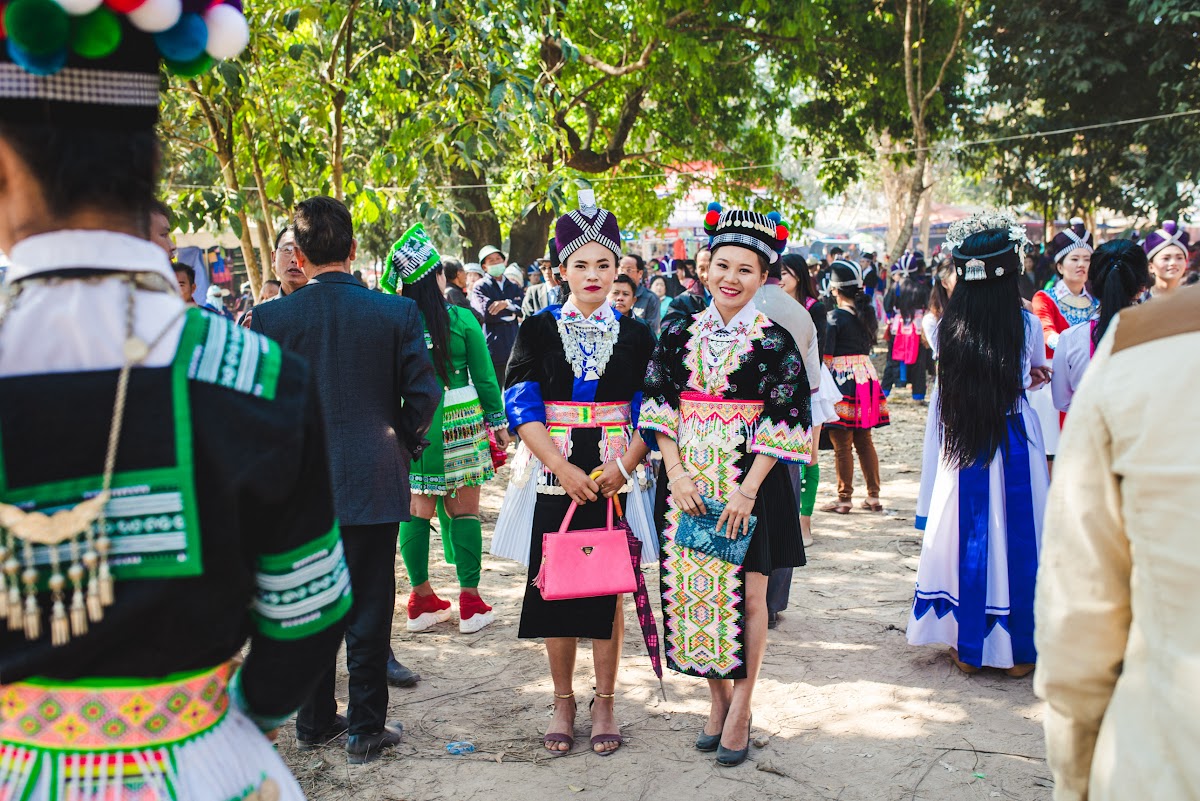
In the far north of Laos, on the border with China and Myanmar, the province of Luang Namtha is one of the wildest and most preserved territories in the country. Primary forests, ethnic groups in multicolored costumes, rushing rivers, and above all the Nam Ha NPA (National Protected Area): a vast biodiversity sanctuary that today hosts one of the most successful community-based ecotourism projects in Southeast Asia.
Luang Namtha: Overview
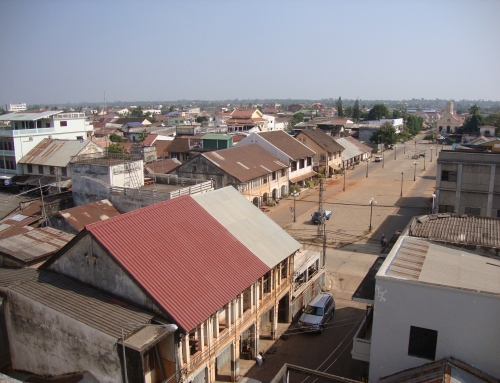
Luang Namtha is the capital of the province of the same name, located about 200 km north of Luang Prabang and 60 km from the Chinese border (Yunnan province). The town itself is modest and of little interest—it is the surrounding nature and the ethnic minority villages that make the detour worthwhile. Luang Namtha is the gateway to the Nam Ha NPA, one of the largest protected areas in Laos (222,400 hectares).
The Nam Ha NPA: Ecotourism in its Purest Form
Established in 1993, the Nam Ha NPA is home to exceptional biodiversity: wild elephants, sun bears, clouded leopards, and a hundred species of rare birds. The forests of the Nam Ha are among the last intact primary forests in mainland Asia.
Since the 1990s, a pioneering ecotourism program—supported by UNESCO and the Lao government—has been developed to allow local communities to benefit economically from tourism while protecting their forests and way of life. The result: community trekking tours led by local guides, with overnight stays in villages, meals cooked by host families, and income returned directly to the communities.
It is a model of responsible tourism that makes Luang Namtha a benchmark destination for travelers wishing to travel with a positive impact.
The Ethnic Groups of Luang Namtha
Luang Namtha province is one of the most ethnically diverse in Laos. There are more than 35 different ethnic groups, including:
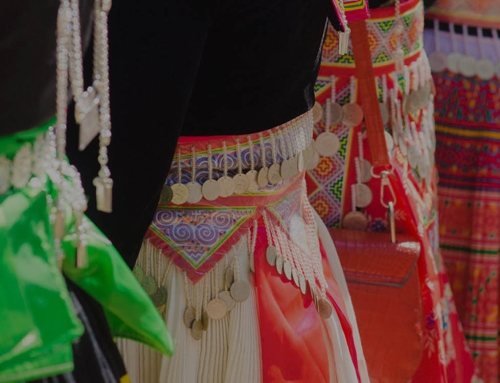
The Akha are the most visible ethnic group in the region. Easily recognizable by their elaborate headdresses adorned with coins, pom-poms, and feathers, Akha women showcase their textile expertise in their daily lives. Their villages, perched on ridges with symbolic entrance gates and bamboo architecture, are among the most beautiful in Northern Laos.
The Lanten (or Lan Ten), a Yao subgroup, are recognized for their art of batik and indigo dyeing. The Hmong, present throughout the mountainous region of Northern Laos, maintain an exceptional tradition of embroidery and textile craftsmanship. The Tai Dam (Black Tai), originally from Vietnam, brought their unique architecture to Northern Laos with their stilt houses featuring curved roofs.
Trekking in the Nam Ha
Trekking tours in the Nam Ha are organized by the Luang Namtha Eco Guide Unit, a cooperative of certified local guides. Trips last from 1 to 4 days and cross primary forests, rivers, and ethnic villages.
1 or 2-day treks are suitable for travelers in a hurry: forest crossing, meeting one or two ethnic communities, and meals in the village. 3 to 4-day treks allow for a deeper immersion, with homestays, swimming in the NPA’s rivers, and wildlife observation at dawn.
Asia Safari offers tailor-made tours in the Nam Ha, combining community trekking, homestays, and encounters with local artisans. Our guides speak the ethnic dialects and have known the host families for years—a relationship of trust that radically changes the quality of the experience.
The Nam Ha River: By Kayak or Pirogue
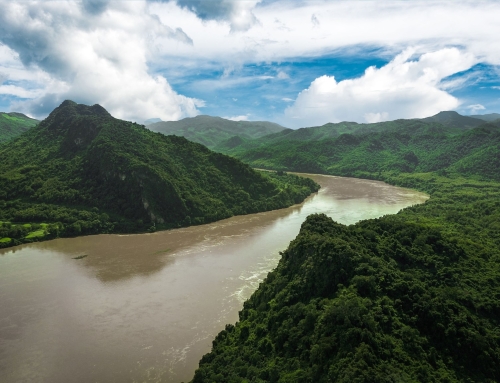
The Nam Ha River, which crosses the NPA from east to west, offers an alternative to hiking treks. Kayak or traditional pirogue tours allow you to travel down the river for 1 to 2 days, stopping in riverside villages. It is a magnificent experience at sunrise, when the mist still covers the forest and fishermen cast their nets.
How to get to Luang Namtha?
Luang Namtha is accessible from Luang Prabang by minibus (about 7 hours via Pak Mong) or by plane (Lao Airlines, 2-3 times a week). From the Chinese border at Boten, Luang Namtha is 60 km away (1.5 hours by bus). From Huay Xai (Thai border), allow 3-4 hours by road. A popular route is to travel down from China via Boten, cross Luang Namtha, and then reach Luang Prabang via the town of Pak Beng—a crossing of Northern Laos from north to south.
When to go to Luang Namtha?
The dry season (November to May) is the ideal time for trekking and motorcycle tours in the region: passable roads, low and clear rivers, and maximum visibility in the forest. The rainy season (June to October) transforms the Nam Ha into an ocean of tropical greenery—treks become more difficult, but the landscapes are extraordinary. The months of November and December are particularly pleasant, with cool temperatures (15-20°C) and clear skies.
Want to include Luang Namtha in your Laos tour? Contact Asia Safari for a tailor-made itinerary that combines the ethnic groups of the North, the Nam Ha, and the major highlights of Laos.
Further Reading
Extend your discovery of Northern Laos with our guides: Trekking and Ethnic Minorities in Northern Laos, Nong Khiaw and Muang Ngoi, the Pha Singkham Buddha of Muang La, and our practical guide to cruising the Mekong.