

Isn’t Laos hot? It is a fair question when you are packing for a tropical country. The answer in the cool season depends on where you are and what time you step outside. A shirt that feels right in the afternoon may be very little comfort before sunrise in Luang Prabang.
From November to February, pack for cool mornings as well as warm days. This is the advice we give travellers from our office in Vientiane: choose layers, think about your route, and keep the warm layer somewhere you can reach it.
What the temperatures actually mean
The figures below were compiled in late October 2026. They describe typical conditions, not a forecast for your dates.
In Luang Prabang from December to February, minimum temperatures are around 14 to 15 degrees Celsius and can fall to 10 degrees or below. Daytime temperatures reach around 28 degrees in December and January, rising to 32 degrees in February.
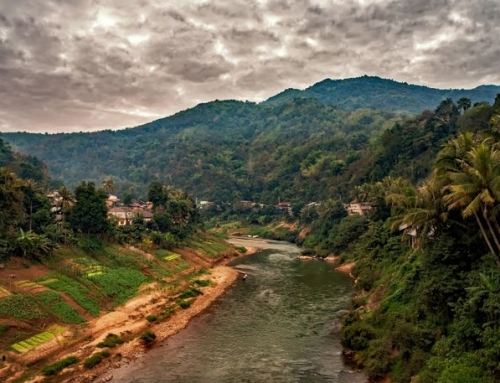
Higher in the north, around places such as Phongsaly, Luang Namtha, Oudomxay and Xieng Khouang, nights can approach freezing. Village guest rooms are not heated. A light top alone is not enough for those overnight stays.
The source figures give an overall November-to-February average of 16 to 21 degrees Celsius, with January the coolest month. In upland areas, February can mean 12 degrees at night and 22 degrees in the afternoon. Your itinerary matters more than any countrywide average.
Clothes: build around three layers
For the morning: bring a light fleece or warm cardigan, with a thin hat for northern mountain travel. Put it in your day bag before an early departure; a useful jacket is less useful buried in your main luggage.
For the daytime: choose light long-sleeved tops and lightweight trousers. They provide coverage for the sun and make temple visits easier. Two pairs of light trousers can be more practical than planning most days around shorts.
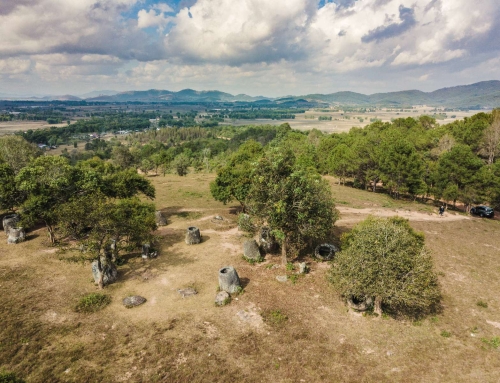
For the wind: pack a thin windproof jacket, preferably water-resistant. Boat journeys and tuk-tuk rides feel cooler than standing in the sunshine, and exposed stops such as the Plain of Jars can be windy.
For footwear, bring comfortable closed shoes for walking and sandals you can remove easily. You will encounter uneven paving and dry earth, and take your shoes off regularly when visiting religious buildings.
Dressing for temples
Cover shoulders and knees, whether you are a man or a woman, and remove your shoes before entering temple buildings. Plan an outfit that works without needing to change at each stop.
A large scarf or sarong is a useful extra in your day bag. It provides additional coverage and can double as a cushion on a journey. Think of it as a practical backup alongside suitable everyday clothing.

Small items that earn their place
- A torch or head torch: useful in caves, on temple steps before daylight and during village power cuts.
- A reusable water bottle: keep drinking water with you. Do not drink untreated tap water; check the suitability of any purification equipment before relying on it.
- A universal plug adapter: Laos uses 230 volts, with flat-pin and round-pin sockets encountered in hotels.
- A power bank: useful on travel days when a vehicle charging socket may not be available.
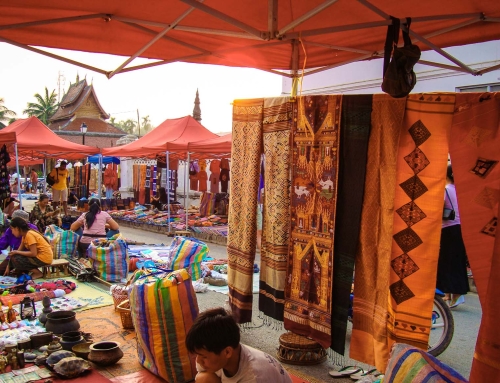
- A folding bag: leave space for textiles, coffee or saa paper. Our guide to what to bring home from Laos has ideas.
- Tissues or toilet paper: a simple addition for road journeys and walks.
Keep the items you need during the day together. The aim is a bag that makes each stop easier, rather than luggage full of things you cannot find.
Two practical surprises
Railway security. The Laos-China Railway has airport-style checks at station entrances. The guidance used for this packing list identifies pocket knives, flammable products and aerosols as prohibited items. Choose cream or stick formats for sunscreen and deodorant, and check the current baggage rules before departure. Our Laos-China Railway guide covers the journey in more detail.
Cash takes up space. The largest Lao banknote is 100,000 kip, so a wallet can fill quickly. Bring something roomy enough and consider keeping money in separate places. See our guide to money in Laos for withdrawals and card payments.
Health preparations beyond the suitcase
Pack basic personal first-aid supplies and mosquito repellent. Ask a pharmacist or health professional which medicines suit you; packing advice cannot settle individual health needs. Mosquitoes have not disappeared simply because you are travelling in the dry season.
Vaccinations and other preparations need attention before departure. Our Laos health and vaccination guide introduces that separate part of planning.
Why travelling before March helps
Seasonal smoke haze tends to arrive in March and April, particularly affecting northern landscapes. November to February is the window to favour when clear mountain views are a priority, although no travel date guarantees visibility.
Our guide to the best time to visit Laos looks at the wider seasonal pattern. Packing and timing are best considered together.
Adjust the list to your itinerary
A mountain journey needs more warmth than a gentler route. On our Trek and Immersion in Northern Laos itinerary, with village stays, bring a proper warm jacket and a 30-litre daypack. For Charm and Authenticity in Northern Laos, a fleece and windproof layer are the starting point.
A packing list for your own journey
We provide travellers with a list adapted to their dates and itinerary. A January mountain trip calls for different choices from a February journey between Luang Prabang and southern Laos.
Tell us about your plans for an initial reply within 24 working hours and a detailed proposal within 48 working hours of our receiving the necessary information. We are based in Vientiane, and we have felt cold in Laos too.
Frequently asked questions
Do I need a jacket in Laos?
Yes, for cool-season mornings and evenings. Bring a warmer layer for northern uplands and village nights, where rooms may be unheated.
Can I wear shorts to visit temples?
Choose clothing that covers your knees and shoulders. Lightweight trousers are a practical everyday option, with easy-to-remove footwear.
What sunscreen should I pack if I am taking the train?
Choose a cream format. The baggage guidance used here excludes aerosols, including sprays; confirm current railway rules before you travel.